Customer loyalty
The difference between a customer and a loyal customer – and why it determines the value of your business

There are two types of revenue. The one a customer makes once. And the one a customer makes repeatedly. For most local businesses and franchises, the second is significantly more valuable – and significantly harder to measure.
This has consequences that go far beyond daily operations.
Why Customer Retention has Become a Matter of Evaluation
The shift from transaction-based to recurring revenue models is one of the defining trends in the franchise sector in 2026. Franchise systems with measurable customer retention achieve higher valuations, more stable cash flows, and a clear advantage in attracting investors.
This means: Customer retention is no longer just an operational metric. It is an asset. Those who understand and can substantiate their Customer Lifetime Value have a stronger business – during the next bank meeting, when selling a branch, or during expansion.
The Problem with One-Time Customers
A new customer costs. Advertising, offers, attention. If this customer comes once and does not return, the effort was high and the return low. The counter-model – a regular customer who comes frequently, incurs little acquisition cost, and ideally recommends others – is the economically superior case.
Current industry data shows that 90 percent of consumers state that rewards and loyalty programs influence their decision on where to shop or dine. At the same time, true loyalty in 2026 is tied to emotional connection and seamlessness – not to generic discount systems.
The difference, therefore, is not whether one has a loyalty program. It lies in whether it truly feels to the customer like appreciation – or like another card in their wallet.
What Franchise Operators Misjudge
Many franchise operators assume that the brand alone generates customer loyalty. This is partly true – but only for the first visit. What brings customers back is the local experience. The friendly staff. The personal recognition. The feeling of being known.
A customer retention system that digitally extends this feeling – that shows the customer that their return is noticed and rewarded – is the bridge between brand promises and personal relationships. This is where the leverage lies.
From Transactions to Relationships
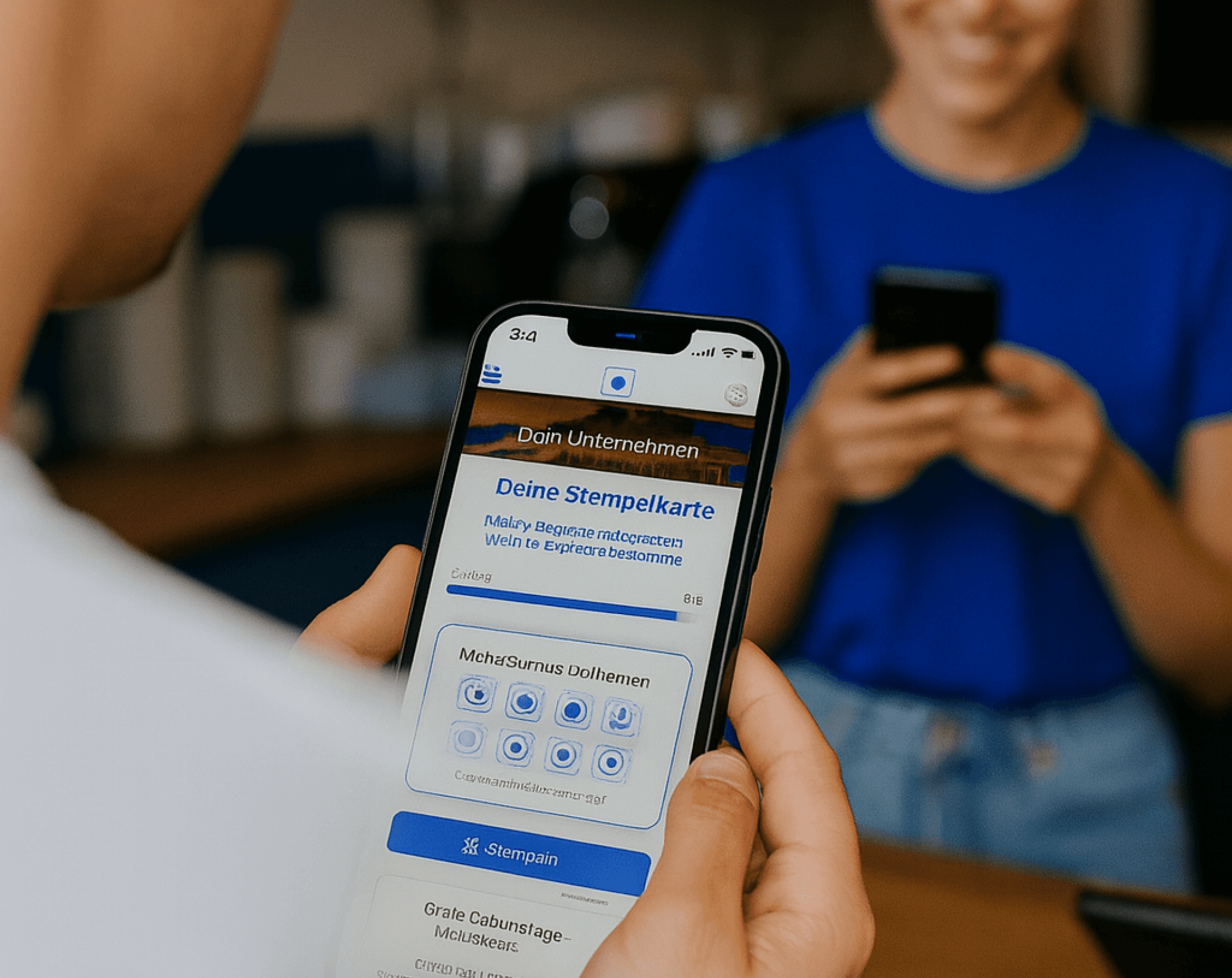
Bonuzo makes exactly this step possible: Every visit becomes visible. The customer sees their progress, their points, their next reward. They do not feel like one of many – they feel like someone who belongs. For you as an operator, this means: You are not building a discount strategy. You are building a customer relationship that expresses itself in measurable return rates.
Leading franchise systems in 2026 no longer report their revenue solely by total volume – they measure the share of returning customers and Customer Lifetime Value as the primary growth metric. Those who do not know these numbers have a blind spot in their business management.
What This Means in Concrete Terms
A regular customer who comes ten times a month instead of twice fundamentally changes your profitability. Without extra costs. Without new advertising. Just through a system that gives them a reason to come more often – and that lets you know who that customer is.
This is the core of customer retention as a business strategy: not rewarding customers for the sake of rewarding, but building an infrastructure that turns one-time visitors into reliable regulars. For every location. Scalable. Automatically.
Learn more at joinbonuzo.com
Sign up on the waiting list and be one of the first companies with Bonuzo.